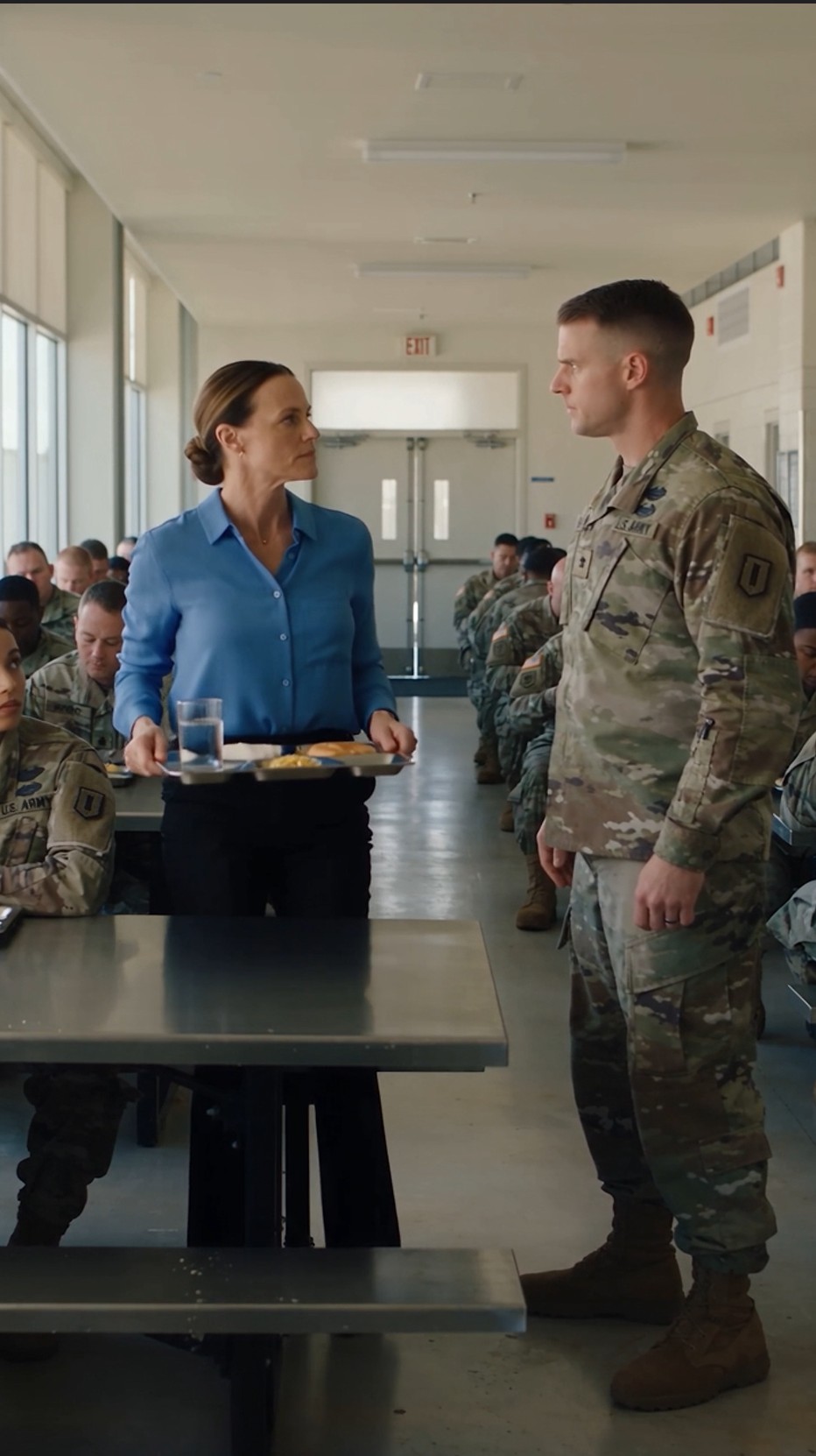
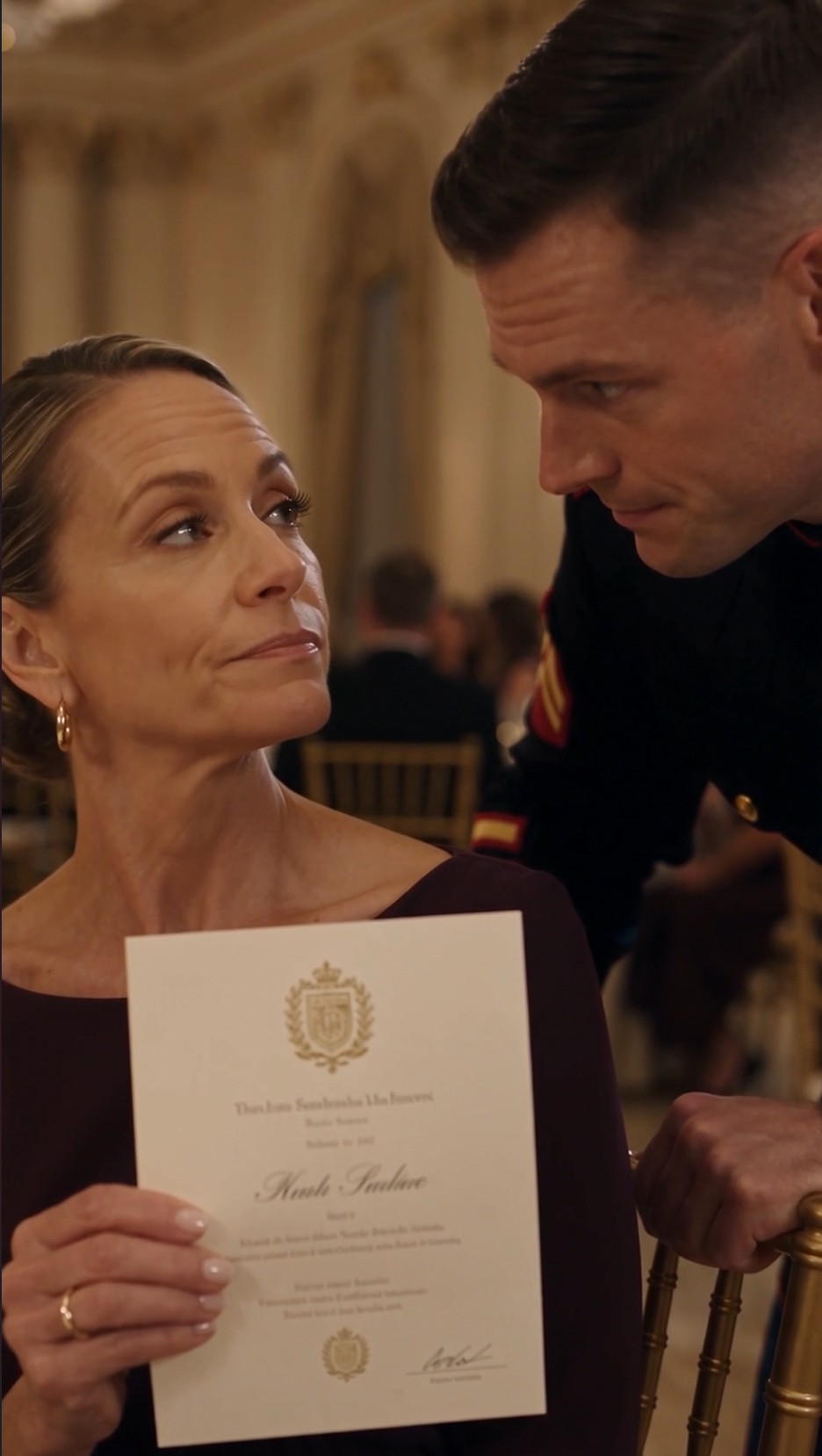
Every eye in the courtroom turned toward her the moment she walked in.
Nobody expected what was about to happen. Nobody could have predicted that a routine custody hearing would become the most unforgettable moment any person in that room would ever witness. But that is exactly what unfolded — slowly, painfully, and with a grace that could only come from years of silent, unrelenting love.
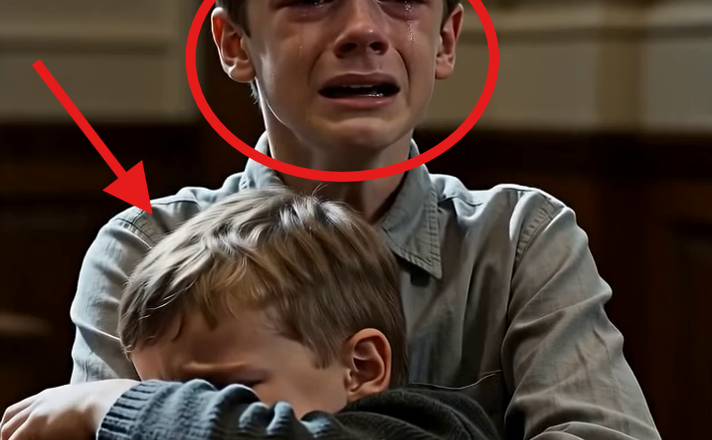
The teenage boy stood near the witness stand, his arms wrapped protectively around his little brother. He had always been the one holding things together. At an age when most boys are worrying about homework and weekend plans, this young man had become a guardian, a provider, a father figure to the only family he believed he had left. His jaw was set with the kind of quiet determination that only comes from carrying too much, too young.
The judge leaned forward, adjusting his glasses.
“Ma’am, do you know these children?”
The woman could barely breathe. Her chest rose and fell in shallow, trembling waves. She looked at the older boy the way a person looks at something they feared they would never see again — like sunlight after a long and brutal winter.
“Yes,” she whispered. “I know him.”
The teenager’s eyes narrowed. Something ancient and afraid flickered behind them.
“No, you don’t.”
But she stepped closer. Tears streamed freely down her face, and she made no effort to stop them.
“When you were five years old,” she said softly, “you had a small scar behind your left ear. You got it falling off a red bicycle in front of our house.”
The boy’s lips parted. Just slightly. Just enough.
The little brother looked up at him with wide, confused eyes.
“How does she know that?”
The woman pressed a trembling hand flat against her chest, as if trying to hold her heart inside her body.
“Because I am your mother.”
The courtroom went absolutely still. Not the kind of quiet that comes from politeness, but the kind that comes from shock — from the entire room holding its breath at once. The lawyer at the far table lowered his eyes to the floor. The judge sat back slowly in his chair. Even the air seemed to stop moving.
The teenage boy shook his head. His voice came out harder than he intended.
“No. My mother left us.”
And with those four words, every ounce of pain he had ever carried poured into the open.
The woman broke.
“No, baby,” she cried, her voice cracking at the edges. “I was told you both died in the fire. I was told there was nothing left. I was told you were gone.”
She reached into her bag with shaking hands and pulled out a photograph. It was old. Burned slightly at the corners, the edges soft with age and water damage — but the image was clear enough. A young woman holding a little boy, maybe four or five years old, his gap-toothed smile beaming up at the camera. And beside him, cradled in her other arm, a baby wrapped in a blue blanket.
The same baby now hiding beneath his big brother’s arm, staring at a world he was only beginning to understand.
The teenager stared at the photograph. His hands weren’t moving, but everything inside him was. He had built walls so high, so thick, for so many years. Walls made of responsibility and silence and the decision to never need anyone who wasn’t standing right in front of him.
His voice, when it finally came, was the voice of a little boy.
“You looked for us?”
The woman dropped to her knees right there in the aisle. She did not care about the courtroom. She did not care about the judge or the lawyers or the strangers watching from the gallery. She only cared about her sons.
“Every birthday,” she said. “Every hospital. Every shelter. Every single night, I looked for you.”
The little boy reached for the photograph with both hands, his fingers trembling as he held it up to the light. He studied it the way children study things that feel important but not yet fully understood.
And the teenager — this boy who had spent years being strong because he believed no one else was coming — felt something inside him begin to give way.
He had fed his little brother when there was barely enough food. He had stayed awake at night listening for danger. He had sat in courtrooms and social workers’ offices and emergency rooms, always the oldest person in the room even when he was the youngest. He had done all of it because he believed, in the deepest and most painful part of himself, that no mother was ever going to walk through the door.
But here she was. On her knees. Crying his name.
He stepped down from the witness stand. Slowly. One step at a time, as if the floor beneath him might not hold.
And when she opened her arms, both boys ran.
They ran the way children run when they finally feel safe — without thinking, without hesitating, without looking back. She pulled them both into her chest and held on with everything she had, rocking gently, whispering words only they could hear.
There was not a dry eye left in that room.
Because sometimes the most devastating stories do not end in darkness. Sometimes, after all the loss and the searching and the years of not knowing, love finds a way back. Sometimes a mother’s heart refuses to stop believing — even when every piece of evidence says it should.
She never stopped looking. And on the day it mattered most, her sons were right where she had always known they would be.
Waiting for her to find them.