The gray morning sky hung low over the cemetery like a held breath that refused to release. Wind moved through the black coats of the mourners gathered around the grave, but no one adjusted their collars. No one put their phones away. Everyone was watching.
The priest stood motionless beside the coffin, a gold ring resting in his open palm. He stared at it the way a man stares at something that should not exist — not pulled from a coat pocket, but seemingly risen from the buried earth itself.
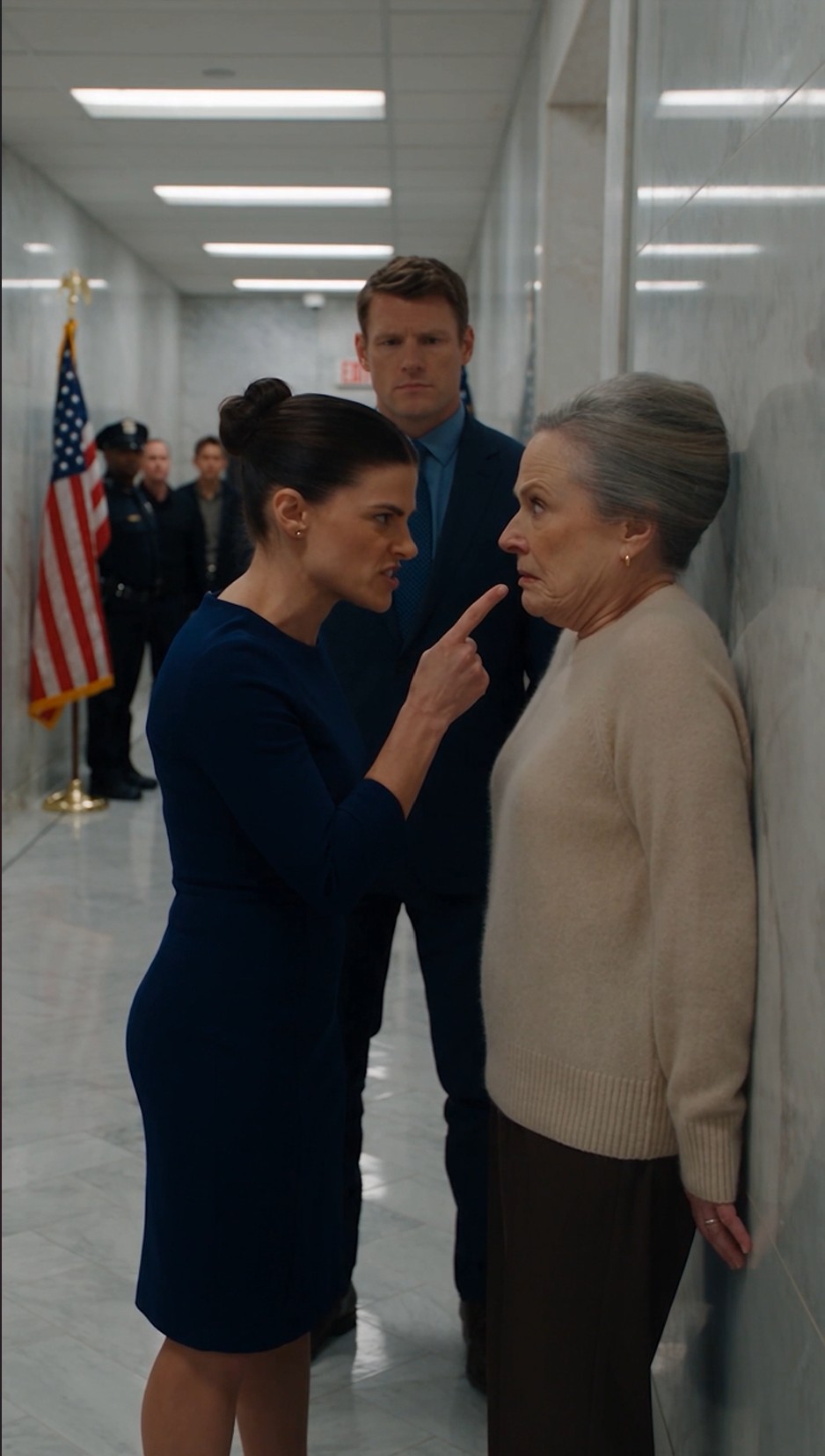
Only moments before, the scene had looked like something straight out of a classic high-society scandal. A wealthy widow had struck a poorly dressed woman across the face in front of everyone — a sharp, public humiliation meant to establish who owned the grief and who had no right to it. The widow had stood tall, righteous, daring anyone present to take the other woman’s side.
Then the ring landed on the coffin.
And everything shifted.
This was no longer a story about old rumors, whispered betrayal, or a woman showing up uninvited to a man’s funeral. This had become something far darker. A marriage built on another woman’s silence. A secret so ugly it had followed a man all the way to his own burial.
The poorly dressed woman stood trembling, one hand gripping the edge of the coffin to keep herself upright. Her coat was damp, her hair disheveled from the blow, her cheek still red from the widow’s hand. But her expression had changed completely. She no longer looked like someone begging for sympathy. She looked like a witness who had waited far too long to finally be heard.
The widow found her voice first. “That ring was lost years ago,” she said. But the certainty had drained out of her words before they finished leaving her mouth.
The priest looked at her with visible unease. “No,” he said quietly. “That ring was placed on the first wife’s hand before the casket was sealed. I was there. I remember.”
A murmur moved through the gathered mourners like a cold current.
The other woman closed her eyes briefly, then steadied herself and spoke. For years, she said, she had been called a liar. A mistress. A home-wrecker. A woman with no right to mourn a man the world insisted belonged to someone else. But she had not come to the funeral for him alone. She came because the ring needed to be seen. She had found it not in a jewelry box, not tucked among old love letters, but inside a locked drawer in the dead man’s private study — wrapped in cemetery cloth, tied with a ribbon so old it had rotted nearly to dust.
That detail fell over the crowd like a stone dropped into still water.
Rings can be explained away. Drawers can be denied. But cemetery cloth is not something you find by accident.
The priest asked how she had accessed the study. Without looking away from the coffin, she answered him. The man had called her there in his final weeks. Not once — many times. He was frightened, sick, and no longer careful with what he carried inside him. He told her there was something in that drawer that must not stay hidden after his death. She had expected money, or old letters, or some final cruelty arranged from beyond the grave. Instead she found the ring, wrapped in that rotting cloth, with a handwritten note containing a single sentence: If they bury me before the truth rises, put this on my coffin.
That sentence emptied the silence around them completely.
The mourners no longer looked merely scandalized. They looked afraid.
The widow tried to laugh it off. “Dying men write nonsense,” she said. “He was confused at the end.”
The other woman turned toward her then, slowly, and every trace of softness left her face.
“No,” she said. “Dying men stop protecting the people they lied for.”
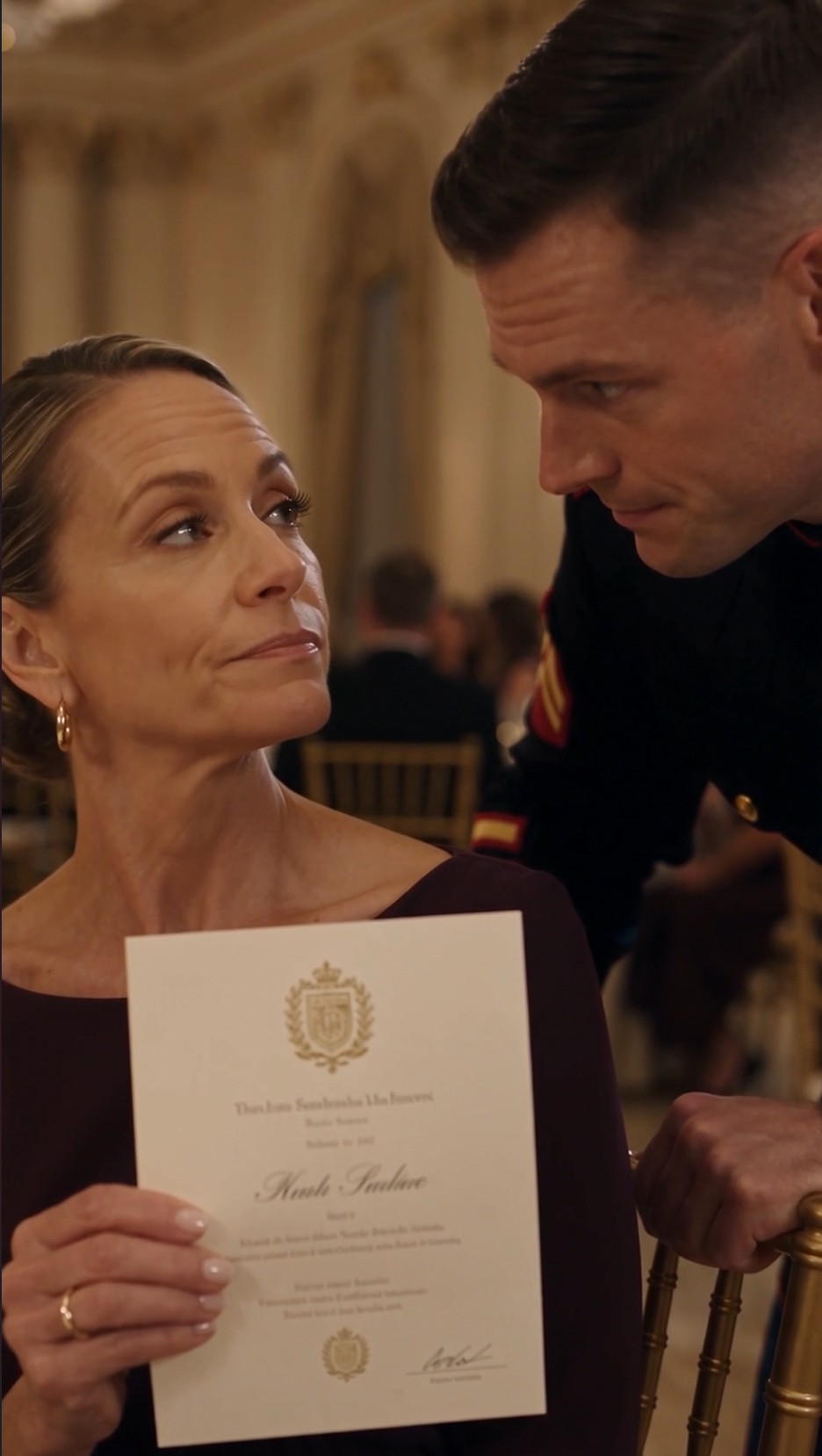
The priest asked to see the note. The woman reached carefully into her coat and handed it over, handling it gently, the way you handle something that has barely survived. He unfolded it with trembling hands. The handwriting matched the dead man’s signature. But beneath the first line was a second sentence, worse than the first:
Ask her why she made me prove the grave was empty before she agreed to marry me.
The widow went white.
A sound passed through the crowd — not quite disbelief, not quite horror, but something colder than either.
Now the shape of the accusation was clear. This was not simply about a missing ring. This was about a grave disturbed in secret before a second marriage. A man who knew what had been done. A widow who may have demanded it.
The other woman continued. She said she had met him much later, long after the second marriage had settled into respectability. At first, he confided in fragments — the first wife’s sudden death, a rushed funeral, questions about the ring that were never properly answered, and one night when he stood in this very cemetery while a grave was quietly opened because the woman he was about to marry refused to move forward while another woman’s promises still felt present in the earth. He never said openly who had demanded it. He never had to.
Every eye in the cemetery moved to the widow.
She stood as though each word was stripping something away from her in front of everyone she had ever known.
The other woman was not finished. She said that in his final weeks, the man had become consumed by one question: who had reached the first wife’s grave before that secret night? Who had the motive, the access, and the fear to remove a burial ring and keep it hidden all these years? His suspicions, she said, had narrowed painfully toward the end. Because only one person had gained everything from the first wife’s erasure.
“You slapped me,” the other woman said, her voice low and steady, “because you thought I came here to shame you. But you were already ashamed the moment you saw what I was carrying.”
She turned slightly toward the gathered mourners, toward the phones still raised in trembling hands.
“He told me one more thing,” she said. “The ring was returned to his study the same week he learned the first wife’s sister had hired a lawyer.”
The widow’s knees visibly weakened.
The other woman’s voice dropped to almost a whisper.
“He wrote that if this ring ever reappeared, people should stop asking who I was to him…” She looked directly at the widow. “…and start asking what you were doing at a cemetery before dawn.”
No one moved. The priest still held the ring. The coffin bearers stood frozen.
When the woman finally placed her hand gently on the coffin lid, her voice came out soft enough to cut far deeper than any slap.
“You were never afraid I ruined his life,” she said. Her eyes never left the widow’s face. “You were afraid I would bring back the woman you buried twice.”