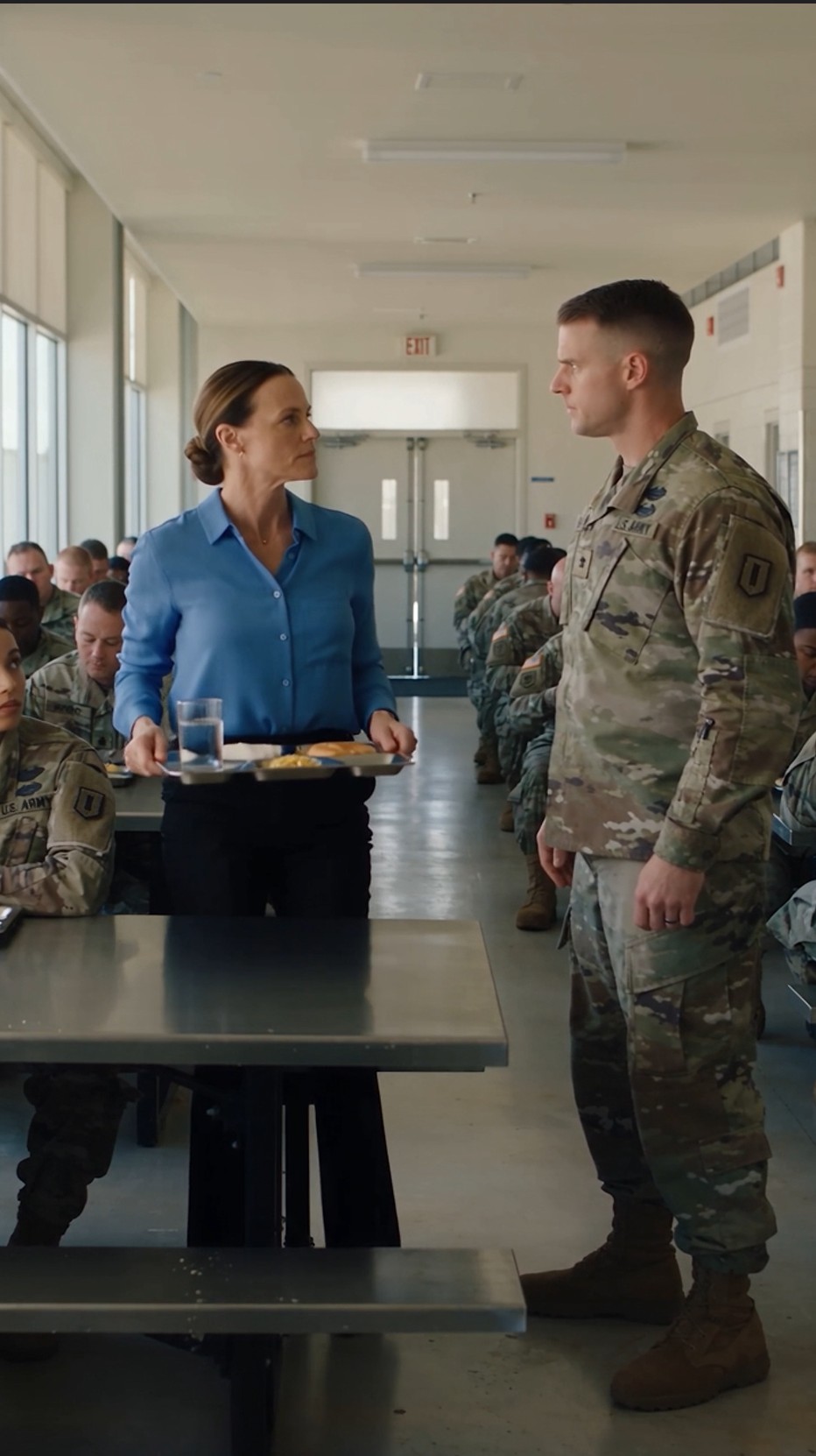
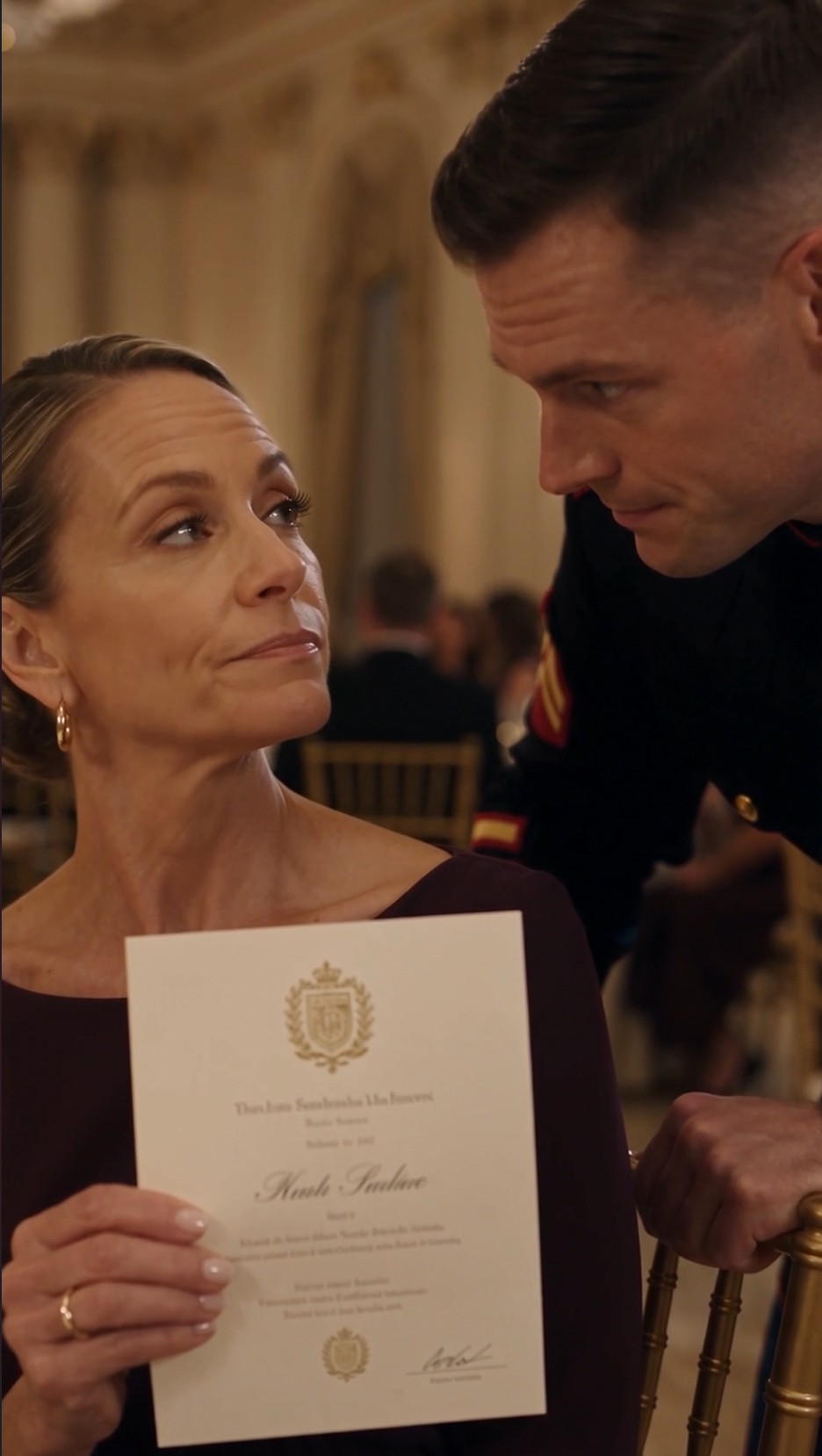
She was the kind of woman you remember long after she’s gone — soft-spoken, graceful, and utterly devoted to the man who loved her. He came from money and family expectations. She came from simpler roots, the kind his relatives quietly looked down on. None of that mattered to him. He had chosen her, completely and without reservation, and to prove it, he had a pair of diamond earrings custom-made just for her — with a hidden detail no jeweler would know to look for, and no one else would ever understand.
He planned to give them to her on their wedding morning. The first gift she would wear as his wife.
She never got the chance to put them on.
On the day of the ceremony, she disappeared without a word. No note. No goodbye. The story that spread through both families was swift and cruel: she had panicked, gotten cold feet, and run away — leaving him standing at the altar and dragging two families through public humiliation. By the end of that terrible day, her name had become a scandal, whispered in judgment and buried under shame.
But that was never what happened.
Years passed. Decades, really. The man carried the loss in the quiet way people carry things they never fully let go of — not loudly, not dramatically, just always there, tucked beneath the surface of a life he had built without her.
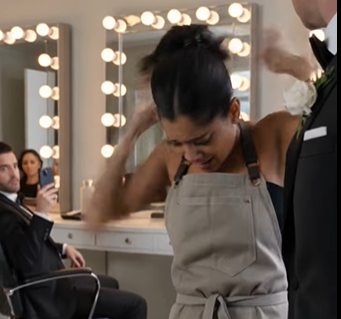
Then one ordinary afternoon, in an upscale salon where his future bride was getting ready for their upcoming wedding, a hairstylist walked in with steady hands and kind eyes — and everything changed.
The hairstylist had grown up without answers. Her mother had raised her in modest circumstances, rarely speaking about the past and never explaining the most confusing piece of their life together: an old velvet pouch, hidden inside a wooden drawer, containing a pair of diamond earrings her mother never wore and never explained.
She only learned the truth at the very end, when her mother, frail and running out of time, finally told her everything.
She had not run away from that wedding.
She had been taken.
Before she could reach the church, certain people — people close to the groom, people with money and influence and a strong opinion about what kind of woman belonged in their family — had intervened. She had discovered she was expecting a child, and that knowledge, combined with the family’s determination to protect their name and their inheritance, had sealed her fate. She was removed from the story quietly, efficiently, and completely. No one came looking. No one was supposed to know.
The earrings were the only thing she was allowed to keep.
She kept them because she knew he would recognize them. He was the one who had them made. He was the one who had added the hidden detail — a tiny engraved letter pressed into the inside of the clasp. Not her initial.
His own.
A private mark. A secret only the two of them were meant to share.
In the salon, as the older makeup artist turned one of the earrings gently toward the light, she found it. That small engraving, pressed into the metal like a whisper from the past. The room shifted. The air changed.
The wealthy client stepped backward as understanding washed over her face — because suddenly this was no longer a story about missing jewelry or old family gossip.
It was about a woman who had been erased.
Then the hairstylist reached into her bag and produced one final thing: a faded photograph, worn soft at the edges from years of careful handling.
In the image, a young woman sat on a narrow bed, exhausted but alive, holding a newborn baby in her arms. The diamond earrings rested in the palm of her open hand, catching the light.
On the back, written in shaking but deliberate handwriting, were the words that had waited decades to be read:
If he sees these again, tell him I was never the one who left.
The groom’s composure collapsed the moment he saw it. Because when he looked again at the hairstylist’s face — her eyes, the shape of her jaw, the way tears moved down her cheeks without apology — he saw her. He saw the woman he had spent a lifetime quietly grieving, looking back at him through another face entirely.
He had been told she abandoned him.
He had believed it, because what else could he do?
And now here was her daughter, standing in a salon full of white flowers and wedding preparations, holding the proof that none of it had been true.
The hairstylist steadied herself and spoke the words her mother had sent her to say:
“My mother didn’t send me here to return your earrings.”
No one in that room breathed.
“She sent me here because the woman you’re about to marry was the one waiting in the car when they took her.”
Some secrets don’t stay buried forever. Some truths are patient. They wait inside velvet pouches in wooden drawers, carried quietly from one generation to the next, until the right moment arrives — until someone walks into the right room, at the right time, and finally says what should have been said long ago.
He had spent a lifetime believing she chose to leave.
She had spent a lifetime hoping he would one day know she never did.