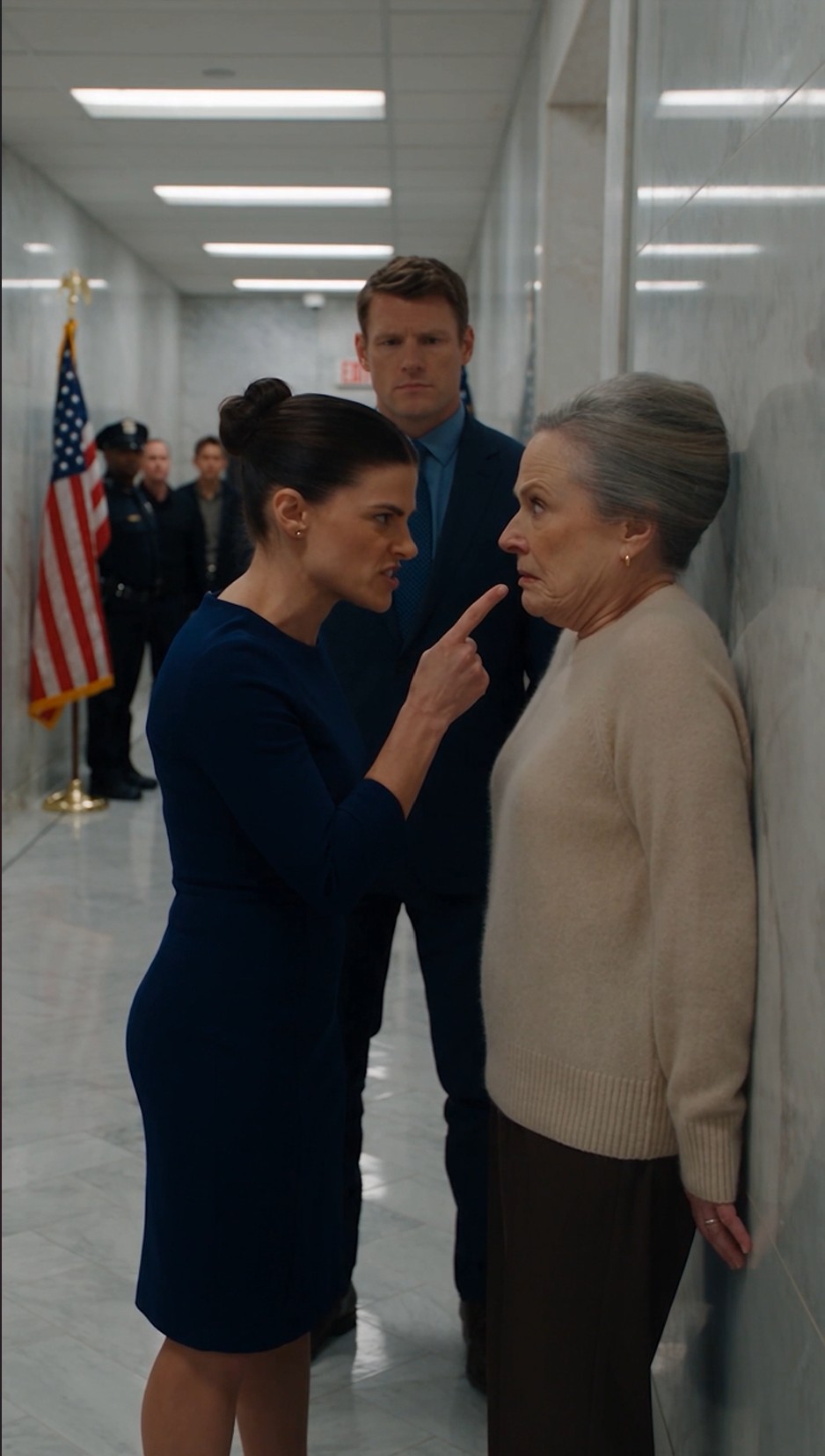
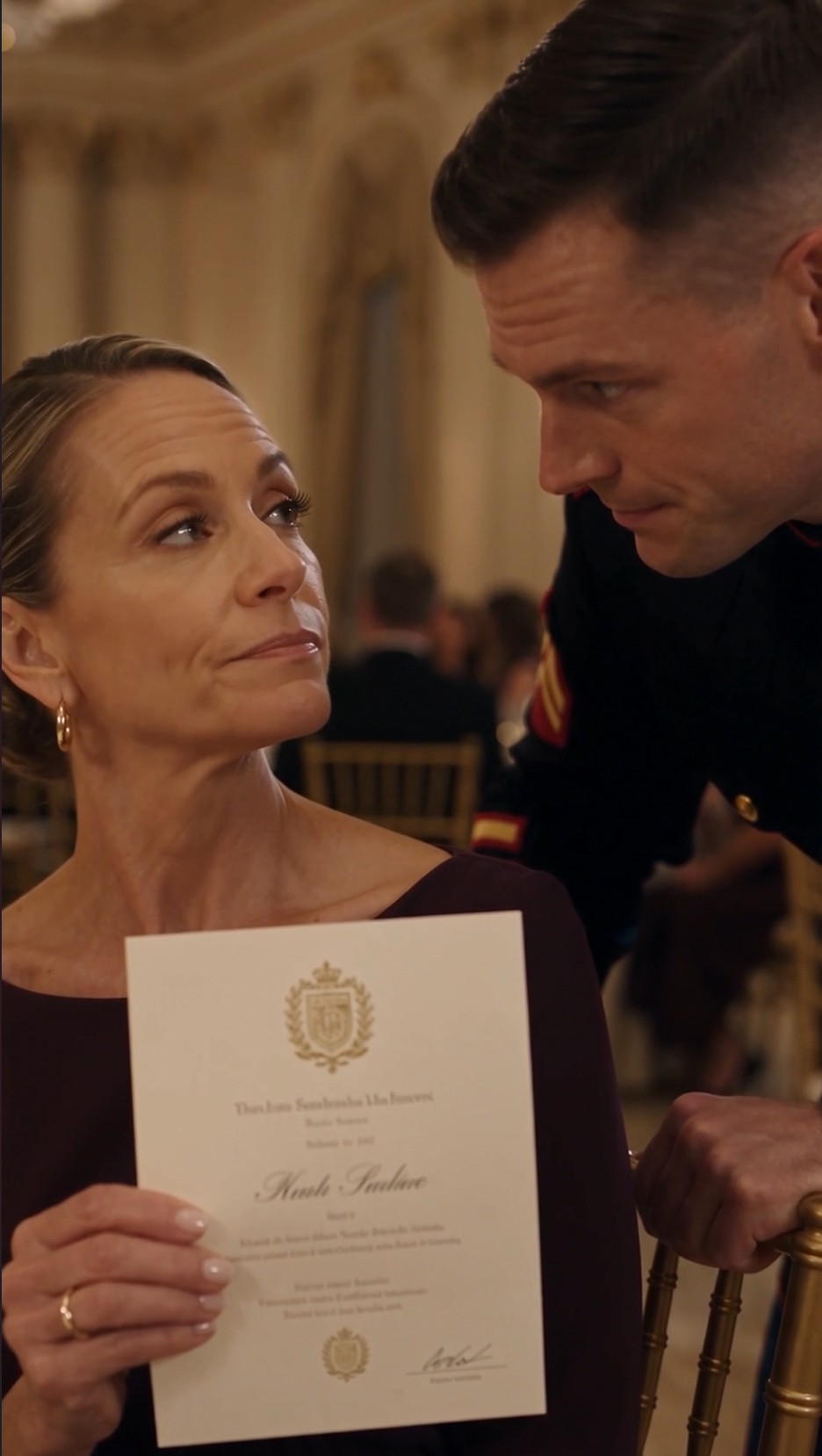
She walked into that boutique like she owned the world — because in many ways, she did.
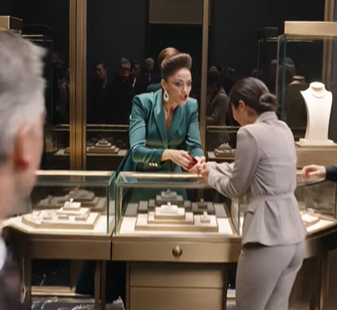
The rich woman had always believed that money could buy anything. The finest clothes, the most exclusive addresses, and certainly, a ring worthy of the life she had built. She stood at the glass counter with the kind of quiet authority that comes from never being told no, her engagement ring box resting between her manicured fingers like a trophy.
The young sales assistant across the counter was just trying to do her job. She was polite, professional, and careful with her words. But something about the ring — something only she could recognize — made her hands tremble.
The rich woman noticed. And instead of asking why, she chose cruelty.
A sharp comment. A dismissive wave. The kind of humiliation that wealthy people sometimes deliver without even raising their voice, the sort that leaves a mark deeper than any shouting ever could.
The assistant’s eyes filled with tears she was fighting hard to hold back.
That’s when the elderly jeweler stepped in from the back room. He had worked at this boutique for decades. He had seen trends come and go, watched couples young and old choose symbols of their love, and kept more secrets than most priests ever would. He moved slowly now, the way men do when years have settled into their bones, but his eyes were sharp and deeply troubled.
He asked the assistant a quiet question. She reached into her apron and produced a folded piece of paper — old, yellowed at the edges, the handwriting faded but still legible.
A receipt. From a custom order placed many years ago.
The rich woman looked from the assistant to her fiancé, waiting for him to laugh it off, deny it, say something — anything.
But he said nothing.
His face had gone completely white.
The elderly jeweler unfolded the receipt fully on the counter, his fingers tracing the faded handwriting with the reverence of someone handling something sacred and painful all at once.
“I remember this order,” he said quietly. “The ring was custom made for a different bride.”
A ripple of shock moved through the boutique like a cold current.
The rich woman turned sharply toward her fiancé. “What is he talking about?”
He swallowed hard but still could not find the words.
The assistant wiped her tears and spoke in a voice that barely held together.
“My mother worked here years ago. She was never just an employee.”
The jeweler closed his eyes for a long moment, as if being pulled back into a memory he had spent years trying to bury beneath layers of routine and silence.
“She was the woman he was supposed to marry,” he said.
The boutique went absolutely still. Even the soft music playing in the background seemed to hold its breath.
The rich woman stepped back. “That’s impossible.”
But then the assistant reached into her pocket and placed a tiny velvet pouch on the glass counter. Inside was an old diamond ring setting — incomplete, but unmistakably matching the engagement ring now sitting in the rich woman’s box.
“My mother kept this after the wedding was stopped,” she whispered. “She told me the full ring was remade later, under a new name, for the woman who replaced her.”
The rich woman stared at her fiancé with something shifting in her expression — disbelief curdling slowly into horror.
“You gave me her ring?”
He finally spoke, barely above a whisper.
“I was told she left. I was told she disappeared before the wedding because she wanted money.”
The assistant’s eyes filled again, and this time she did not try to stop the tears.
“No,” she said, her voice steadying with quiet devastation. “She disappeared because she was expecting a child… and because powerful people made sure her name was erased before anyone could ask why.”
The elderly jeweler looked down at the counter, weighted with a shame he had carried quietly for far too long.
“We were ordered to destroy every invoice, every sketch, every record,” he admitted. “But I kept one receipt hidden. I don’t know why exactly. Maybe I always knew this day would come.”
The rich woman’s breathing turned shallow and uneven.
And then the assistant said the words that broke the room completely open.
“My mother told me that if his new bride ever humiliated me in public… it would mean they had learned nothing.”
Her fiancé stared at her, something inside him crumbling.
“Who are you?” he asked, though some part of him already knew.
The young woman looked straight at him through her tears, her chin lifted, her voice quiet and sure.
“I’m the daughter of the woman you were meant to marry.”
The rich woman’s fingers went slack. The ring box dropped softly to the counter.
Around them, phones were still recording. Strangers who had wandered in for an ordinary afternoon stood frozen, witnesses to something none of them had expected to stumble into — a reckoning decades in the making, playing out beneath the warm boutique lighting as if the universe had finally decided that enough time had passed.
No one spoke.
No one moved.
And the elderly jeweler, his own eyes glistening now, whispered the only truth left to say.
“This ring was never cursed… only stolen from the wrong bride.”
Some wrongs take years to surface. Some secrets survive inside folded receipts tucked into desk drawers by old men who cannot quite bring themselves to let the truth disappear entirely. And sometimes, the person a powerful woman chooses to humiliate on a quiet afternoon turns out to be the very person holding the key to everything she thought was hers.
Karma does not always arrive loudly. Sometimes it walks in quietly, wearing an apron, and places a small velvet pouch on a glass counter.